
"emergency protocols"
5630 article(s) found

Fragrant Jamaican Coffee Manor flavor and taste characteristics of Cliff Manor
It attaches importance to United cooperation in the Caribbean region and strives to promote the process of regional integration. It is one of the founding members of the Caribbean Community. Tooth plays an active role in promoting political unity and economic cooperation among CARICOM members. In early 2006, Ya became the first member of the CARICOM single market. Relations with Cuba Yagu established diplomatic relations in December 1972. Severed diplomatic relations with Cuba in 1981. 1990 7

The introduction to Coffee textbook introduces the basic knowledge of coffee and the two skills of roasting and extraction.
Professional coffee knowledge exchange more coffee bean information please follow the coffee workshop (Wechat official account cafe_style) coffee books recommendation | popular science reader "Coffee Coffee everywhere" in addition to brewing coffee and making various coffee-related drinks, you can also learn more if you want to be promoted to become a coffee expert, this book will be the first book to accompany you to get started! The author Takuchi Junying for opening

What kind of coffee is boutique coffee? Can Brazilian boutique Robsta be called boutique coffee?
Boutique coffee is usually associated with Arabica coffee beans, while robusta beans are usually associated with commercial coffee, instant coffee or blended coffee. Although Arabica caffeine is famous for producing cup contours suitable for special coffee, the key to its success lies in its attention and attention to its production and processing processes, as well as the resources and research invested to encourage its production. This shows that, yes,

How to use the roasting probe to observe the baking degree of coffee how should the baking probe be maintained
Readings from different detectors and ovens will always be different. However, understanding the variables that affect the readings of each baking probe and how to control these variables can help you maintain consistency in baking, data and quality. Join us to explore how to better understand baking probe data, how different probes work, and how to help ensure consistent readings. Baking probe position
The significance of coffee cup test factors affecting coffee cup test coffee cup test process steps
If the extraction rate of each cup of coffee on the table is different, then does it make sense to write a cup test note? For anyone who wants to buy, sell or roast coffee, the cup test is an essential evaluation tool. It can be used to compare batch differences, identify flavor profiles, identify green beans and baking defects, and help you trade by region and baking degree.

How to ensure the consistency and quality of coffee fermentation? why do coffee treatments have to be fermented?
Bread, wine, cheese, yogurt, chocolate, coffee: what do all these delicious foods have in common? Fermentation is very important in coffee. It can not only remove mucus, but also affect many tastes and sensory properties. Controlling coffee during processing means you can improve quality and consistency. But the fermentation is complicated, at the farm level.

The basic chemical reaction of coffee knowledge during coffee roasting.
Many thermal and chemical reactions take place during baking: decarbonation, dehydration of quinic acid, subdivision, isomerization, polymerization, and complex sugar reactions (caramelization). The main components of the thermal reaction are monosaccharides and sucrose, chlorogenic acid, free amino acids, and fenugreek amide. Both aravinose and calactose in the polysaccharides are transferred, and the basic vulcanization process includes hydroxylamine.

How does the sour and bitter in coffee come from?
Many thermal and chemical reactions take place during baking: decarbonation, dehydration of quinic acid, subdivision, isomerization, polymerization, and complex sugar reactions (caramelization).
Learn about coffee history and culture-Father of coffee tree
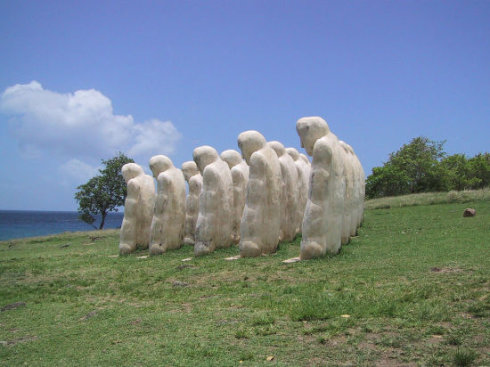
The father of coffee trees-Martinique (martinque), a French island with an area of only 1100 square kilometers, she is the place where the history of coffee cultivation in Central America began. She witnessed the growth and destruction of an industry. There is a special story about coffee coming from France to America. Coffee trees introduced from Holland in 1714 have been growing in the Royal Botanic Gardens in Paris.
Basic chemical reactions that occur during coffee roasting
Many thermal and chemical reactions take place during baking: decarbonation, dehydration of quinic acid, fragmentation, isomerization, polymerization, and complex sugar reactions (caramelization). The main thermally reactive components are monosaccharides and sucrose, chlorogenic acid, displaced amino acids, and trigonelline amide. Both aravinone and calactose in polysaccharides are transferred, and basic sulfurization contains hydroxyamino acids.
The basic chemical reaction of coffee roasting process
Many thermal and chemical reactions take place during baking: decarbonation, dehydration of quinic acid, subdivision, isomerization, polymerization, and complex sugar reactions (caramelization). The main components of the thermal reaction are monosaccharides and sucrose, chlorogenic acid, free amino acids, and fenugreek amide. Both aravinose and calactose in the polysaccharides are transferred, and the basic vulcanization contains hydroxylated amino acid.
The basic chemical reaction that takes place during coffee roasting.
Many thermal and chemical reactions take place during baking: decarbonation, dehydration of quinic acid, subdivision, isomerization, polymerization, and complex sugar reactions (caramelization). The main components of the thermal reaction are monosaccharides and sucrose, chlorogenic acid, free amino acids, and fenugreek amide. Both aravinose and calactose in the polysaccharides are transferred, and the basic vulcanization process includes hydroxylamine.

The basic chemical reactions that take place during coffee roasting
Many thermal and chemical reactions take place during baking: decarbonation, dehydration of quinic acid, subdivision, isomerization, polymerization, and complex sugar reactions (caramelization). The main components of the thermal reaction are monosaccharides and sucrose, chlorogenic acid, free amino acids, and fenugreek amide. Both aravinose and calactose in the polysaccharides are transferred, and the basic vulcanization process includes hydroxylamine.

Basic chemical reactions of coffee beans during coffee roasting
Many thermal and chemical reactions take place during baking: decarbonation, dehydration of quinic acid, subdivision, isomerization, polymerization, and complex sugar reactions (caramelization). The main components of the thermal reaction are monosaccharides and sucrose, chlorogenic acid, free amino acids, and fenugreek amide. Both aravinose and calactose in the polysaccharides are transferred, and the basic vulcanization process includes hydroxylamine.

The basic chemical reactions that take place during coffee roasting
Many thermal and chemical reactions take place during baking: decarbonation, dehydration of quinic acid, subdivision, isomerization, polymerization, and complex sugar reactions (caramelization). The main components of the thermal reaction are monosaccharides and sucrose, chlorogenic acid, free amino acids, and fenugreek amide. Both aravinose and calactose in the polysaccharides are transferred, and the basic vulcanization process includes hydroxylamine.

The basic chemical reactions that take place during coffee roasting.
Many thermal and chemical reactions take place during baking: decarbonation, dehydration of quinic acid, subdivision, isomerization, polymerization, and complex sugar reactions (caramelization). The main components of the thermal reaction are monosaccharides and sucrose, chlorogenic acid, free amino acids, and fenugreek amide. Both aravinose and calactose in the polysaccharides are transferred, and the basic vulcanization process includes hydroxylamine.
The basic chemical reaction of coffee technology in the process of coffee roasting
Many thermal and chemical reactions take place during baking: decarbonation, dehydration of quinic acid, subdivision, isomerization, polymerization, and complex sugar reactions (caramelization). The main components of the thermal reaction are monosaccharides and sucrose, chlorogenic acid, free amino acids, and fenugreek amide. Both aravinose and calactose in the polysaccharides are transferred, and the basic vulcanization process includes hydroxylamine.
Emerging countries account for 20% of the world's coffee consumption.
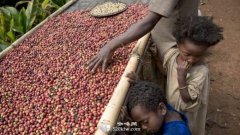
According to Brazil's "World wide Web", emerging countries represented by China, Brazil, Russia, India and South Africa currently consume 20% of the world's coffee, which will reach 35% by 2020. According to analysis, the increase of the middle class in these countries is an important factor driving the growth of coffee consumption.
The basic chemical reaction that takes place during coffee roasting.
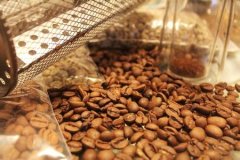
Basic chemical reactions that occur during coffee roasting author: Carl Staub originates from the SCAA baking color classification system, developed by Agtron SCAA 1995 original text from: http://www.sweetmarias.com/roast.carlstaub.html translation: Grant, http://www.baristacn.com/forum/thread-1583-1-1.html in the roasting process
Emerging countries account for 20% of the world's coffee consumption.
Emerging countries, represented by China, Brazil, Russia, India and South Africa, currently consume 20 percent of the world's coffee and will reach 35 percent by 2020, according to the website of the Ministry of Commerce. According to analysis, the increase of the middle class in these countries is an important factor driving the growth of coffee consumption. The International Coffee Organization (Portuguese abbreviation OIC) estimates